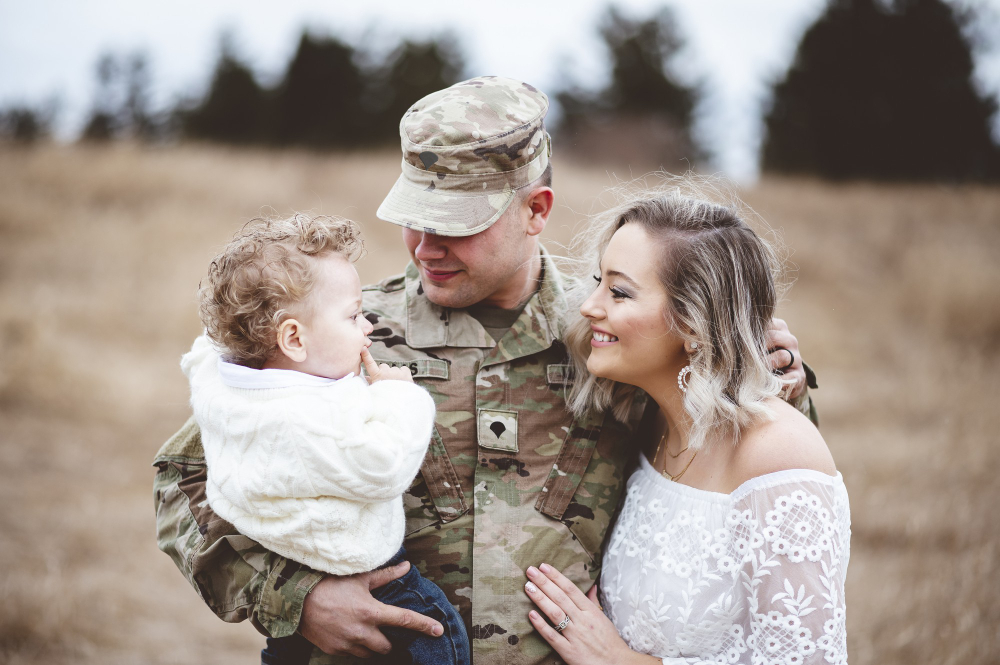
Military life asks a lot, not only from service members, but from the people standing beside them. Frequent relocations, unexpected deployments, career interruptions, and childcare shifts often fall heavily on military spouses. If you’ve ever had to pause a job or delay a degree because of a PCS move, you already understand the challenge.
That’s exactly why military spouse scholarships exist.
These scholarships are not just financial assistance. They are opportunity stabilizers. They help spouses build careers that can move with them, grow with them, and support their families long-term. In this complete guide, we’ll walk through:
- The best military spouse scholarships available
- Eligibility requirements
- Application strategies
- Differences between scholarships and grants
- Smart tips to increase approval chances
- A comparison table to simplify your decision
Let’s break it down in a way that actually makes sense.
Why Military Spouse Scholarships Matter
Military families relocate on average every two to three years. Each move can mean:
- Leaving a steady job
- Restarting professional licenses
- Searching for new childcare
- Pausing educational plans
Over time, these disruptions add up.
Military spouse scholarships are designed specifically to address this instability. They provide targeted funding that allows spouses to:
- Pursue portable careers
- Complete certifications faster
- Reduce student loan dependency
- Maintain financial independence
For many families, a spouse’s career becomes a key pillar of long-term stability. Education makes that possible.
Military Spouse Scholarships Eligibility Requirements
Before applying, it’s important to understand whether you qualify.
Most military spouse scholarships require:
- You are the legal spouse of an active-duty, National Guard, or Reserve service member
- Valid military identification
- Enrollment (or acceptance) into an accredited institution
- Good academic standing
Some programs also consider:
- Financial need
- Field of study
- Rank of the service member
- Career alignment with high-demand industries
Eligibility varies, so always verify directly on official program websites before applying.
Top Military Spouse Scholarships You Should Know
There are several trusted programs that consistently support military spouses. Below are the most recognized and reliable options available today.
- MyCAA – The Leading Military Spouse Scholarship Program
The My Career Advancement Account (MyCAA) program is often the first stop for many military spouses.
Managed through mycaa.militaryonesource, this Department of Defense initiative provides up to $4,000 in tuition assistance for eligible spouses.
Key features include:
- Up to $4,000 in financial assistance
- Coverage for licenses, certifications, and associate degrees
- Available to spouses of service members in pay grades E1–E6, W1–W2, O1–O2
- Approved programs that lead to portable careers
MyCAA is especially helpful for fields such as:
- Healthcare
- IT certifications
- Business administration
- Education
- Skilled trades
If you are looking for a career that can move with you from base to base, MyCAA is one of the strongest military spouse scholarships available.
- National Military Family Association (NMFA) Scholarships
The National Military Family Association spouse scholarship program has supported military families for decades.
Their scholarship program covers:
- Undergraduate degrees
- Graduate degrees
- Professional certifications
- Licensure programs
Highlights:
- Award amounts vary annually
- Open to spouses from all branches
- Flexible education options
NMFA understands the realities of military life and tailors its programs accordingly. Many spouses appreciate the flexibility and wide eligibility criteria.
- ThanksUSA Military Spouse Scholarships
ThanksUSA offers scholarships aimed at helping military families achieve educational goals. While originally known for supporting children of service members, spouses may qualify under certain eligibility pathways.
The official information can be found through the ThanksUSA scholarship program page.
Benefits include:
- Renewable scholarship opportunities
- Support for undergraduate and graduate programs
- Merit-based and need-based options
This is a strong option if you are pursuing a traditional four-year degree.
- Fisher House Foundation – Scholarships for Military Families
The Fisher House Foundation scholarship programs support military families, including spouses.
What makes this program stand out:
- Multiple scholarship tracks
- Longstanding nonprofit credibility
- Support for spouses and dependents
- Both merit-based and need-based awards
Fisher House has built a reputation for consistent support within the military community.
Comparison Table: Military Spouse Scholarships Overview
| Program | Maximum Award | Who Qualifies | Covers | Renewable? |
| MyCAA | $4,000 | Spouses of junior enlisted | Licenses, certifications, associate degrees | No |
| NMFA | Varies | All military spouses | Degree & certification programs | Sometimes |
| ThanksUSA | Varies | Eligible military families | Undergraduate & graduate study | Yes |
| Fisher House | Varies | Spouses & dependents | College tuition | Yes |
This side-by-side comparison helps clarify which military spouse scholarships may best fit your educational goals.
How to Apply for Military Spouse Scholarships Successfully
Applying for military spouse scholarships takes more than filling out a quick form. Preparation matters.
- Start Early
Deadlines can approach quickly. Aim to:
- Begin researching 3–6 months in advance
- Prepare during PCS planning
- Coordinate funding before term registration
- Gather Essential Documents
Most applications require:
- Marriage certificate
- Military ID
- Sponsor’s service information
- FAFSA results (if applicable)
- Academic transcripts
- Personal statement
Having these ready saves time and reduces stress.
- Write a Compelling Personal Statement
This is where you stand out.
Scholarship committees want to understand:
- Your career goals
- How military life has shaped your journey
- Why this funding matters
- What impact your education will have
Be honest. Share your challenges. Highlight your resilience.
Military Spouse Scholarships vs Grants: What’s the Difference?
Understanding the difference helps you maximize funding.
Scholarships:
- Merit-based or need-based
- Often competitive
- Usually require essays
Grants:
- Primarily need-based
- Awarded through FAFSA
- Rarely require essays
Many military spouses combine:
- Military spouse scholarships
- Federal Pell Grants
- Institutional aid
- State assistance programs
Layering funding sources significantly reduces out-of-pocket expenses.
Military Spouse Scholarships for Online Education
Online programs have become one of the most practical options for military spouses.
Benefits include:
- Flexibility during relocation
- Continuity across duty stations
- Self-paced learning options
- Reduced disruption to family life
Most military spouse scholarships, including MyCAA, support accredited online programs—provided they meet eligibility standards.
Before enrolling:
- Verify institutional accreditation
- Confirm MyCAA approval (if applicable)
- Review transfer credit policies
A portable degree is often the smartest long-term strategy.
Military Spouse Scholarships for Specific Career Fields
Some military spouse scholarships prioritize high-demand and portable careers.
Common supported fields include:
- Nursing
- Teaching
- Cybersecurity
- Medical billing and coding
- Business administration
- Accounting
- Skilled trades
Choosing a field that allows remote work or nationwide licensing can significantly reduce career disruptions after relocation.
Common Mistakes to Avoid When Applying
Even strong candidates can miss out due to simple errors.
Avoid:
- Missing deadlines
- Submitting incomplete documents
- Ignoring essay instructions
- Applying to only one program
- Failing to proofread
Apply broadly. Treat each application seriously.
Tax Implications of Military Spouse Scholarships
In most cases:
- Scholarship funds used for tuition and required fees are tax-free.
- Funds used for housing or non-required expenses may be taxable.
If your situation is complex, consider consulting a qualified tax professional.
Military Spouse Scholarships for Graduate Programs
Graduate funding is competitive but available.
Programs may support:
- MBA degrees
- Master’s in Education
- Advanced nursing degrees
- Professional certifications
Graduate applicants typically need:
- Strong academic records
- Clear career direction
- Evidence of leadership or community involvement
A well-written statement becomes even more critical at this level.
Additional Financial Aid Resources for Military Spouses
Beyond military spouse scholarships, consider:
- FAFSA federal grants
- State-based military tuition programs
- Employer tuition reimbursement
- Military relief societies
- Installation family readiness offices
Strategically combining multiple resources often leads to the best outcome.
How Military Spouse Scholarships Impact Long-Term Career Stability
Education changes more than income—it changes options.
For military spouses, it can mean:
- Greater financial independence
- Career continuity despite relocations
- Increased retirement savings
- Personal confidence
When military life feels unpredictable, education becomes one of the few controllable investments you can make in your future.
Frequently Asked Questions About Military Spouse Scholarships
Are military spouse scholarships only for active-duty families?
Many programs include National Guard, Reserve, and in some cases surviving spouses.
Can military spouse scholarships be used for online degrees?
Yes. Most programs support accredited online institutions.
Do military spouse scholarships require repayment?
No. Scholarships do not require repayment if you meet the program terms.
Can I apply every year?
Often yes. Many programs allow annual reapplication.
Military Spouse Scholarships Are a Powerful Opportunity
Military spouse scholarships are not handouts. They are recognition.
Recognition of sacrifice.
Recognition of resilience.
Recognition of ambition.
If you are balancing deployments, relocations, family responsibilities, and career goals, know this: there are real programs designed specifically to support you.
Start early.
Apply widely.
Tell your story clearly.







1 comment